
ISEK POTSDAMER STRASSE – BIODIVERSITY AS A COMPONENT OF INTEGRATED URBAN DEVELOPMENT
How can a densely built inner-city neighbourhood become more climate-resilient, greener and more liveable for both humans and animals?
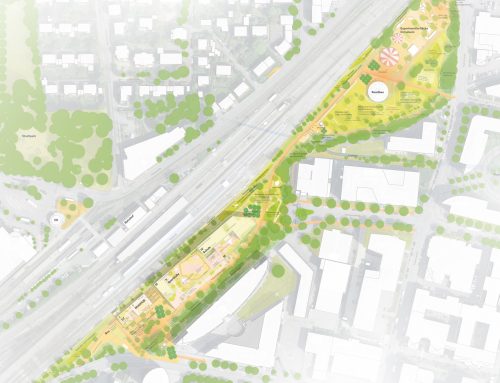
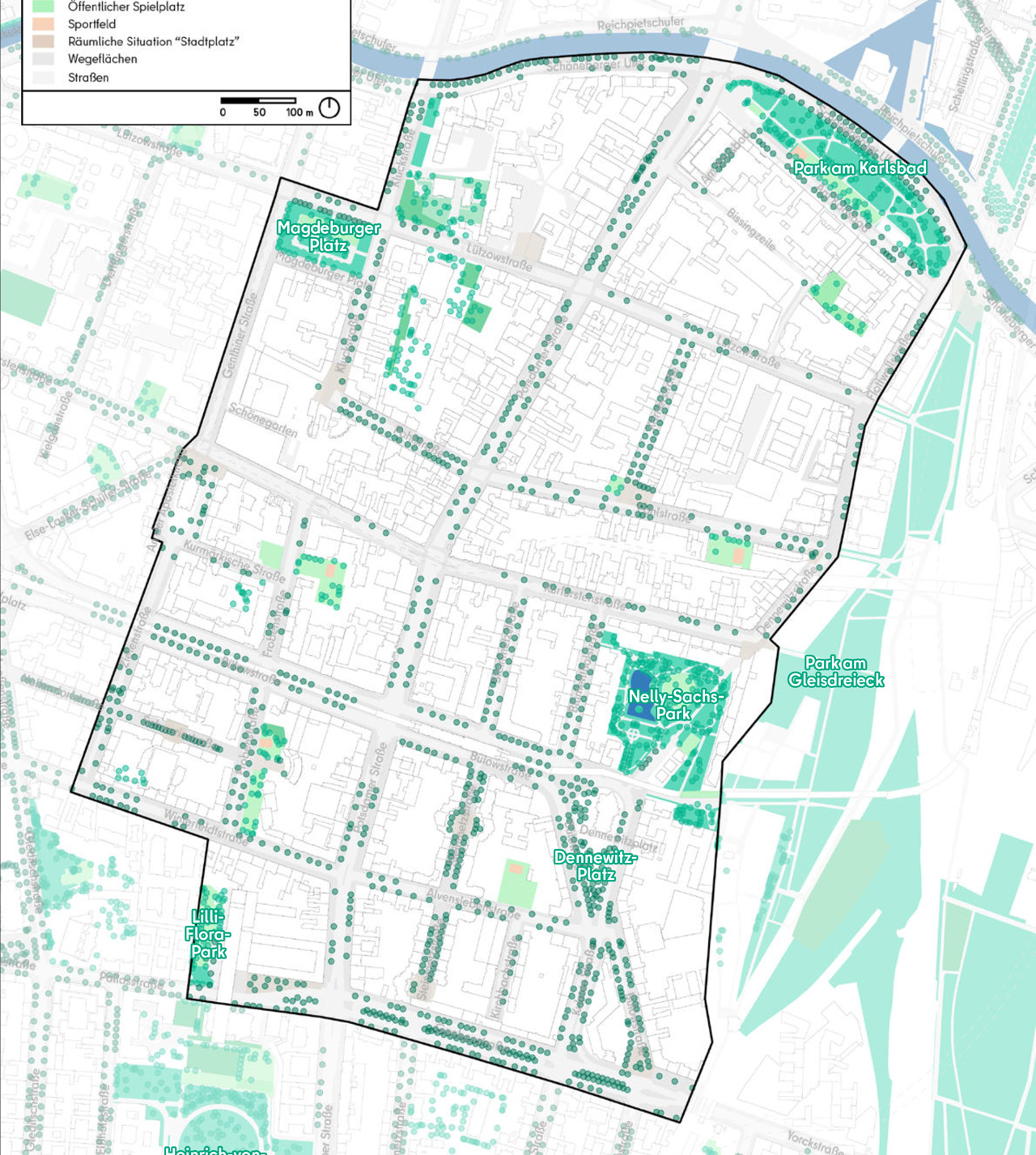
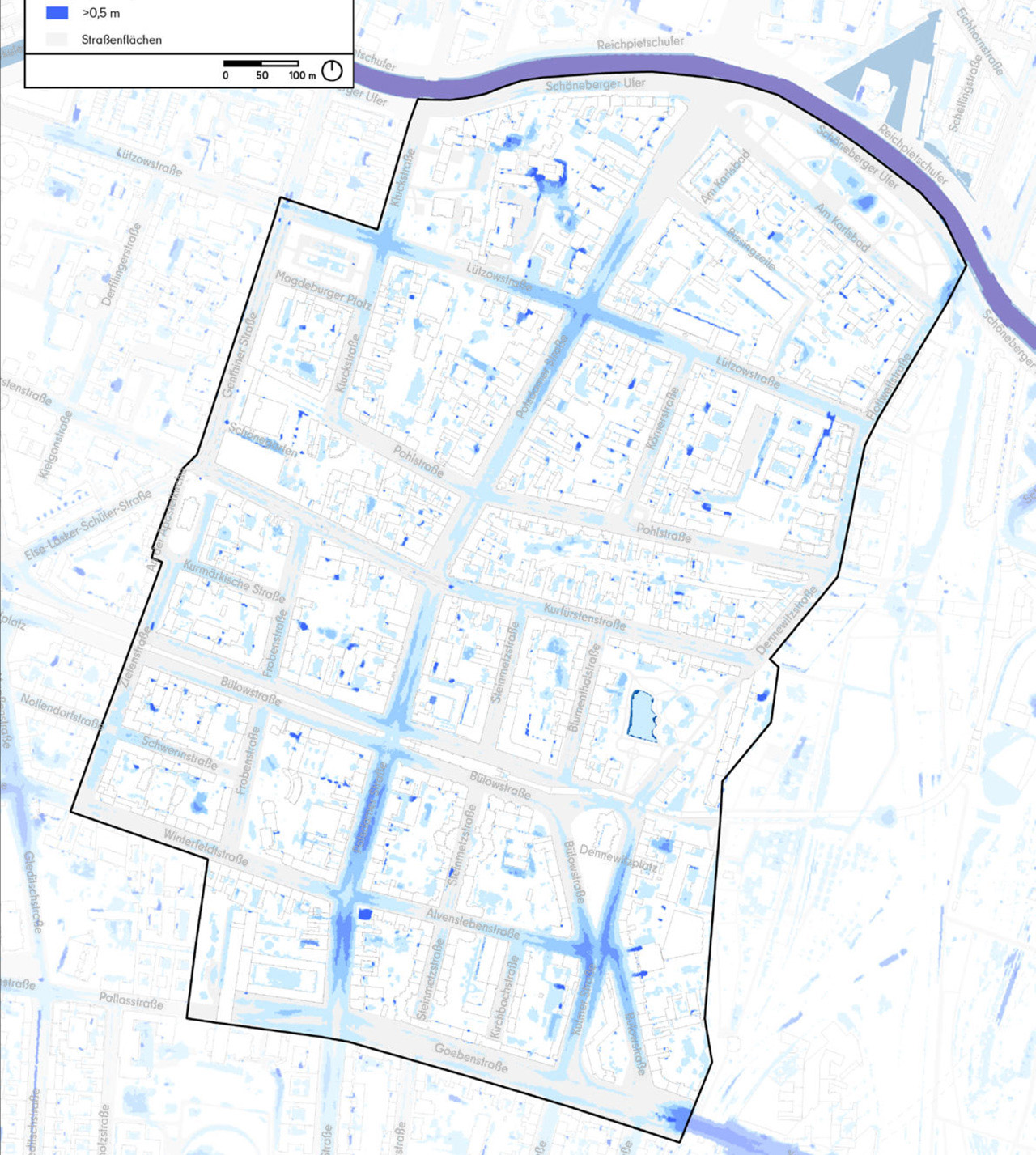
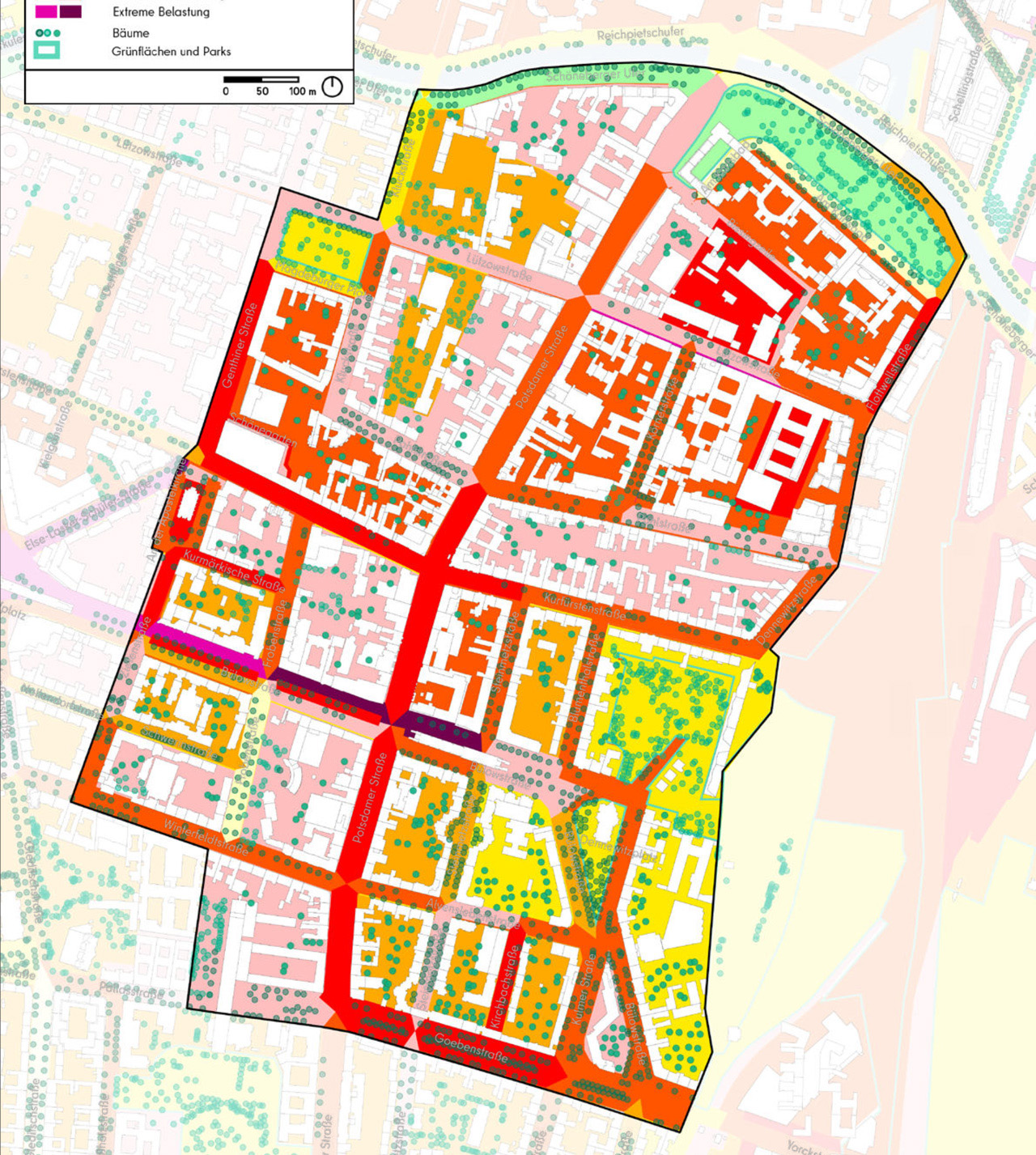
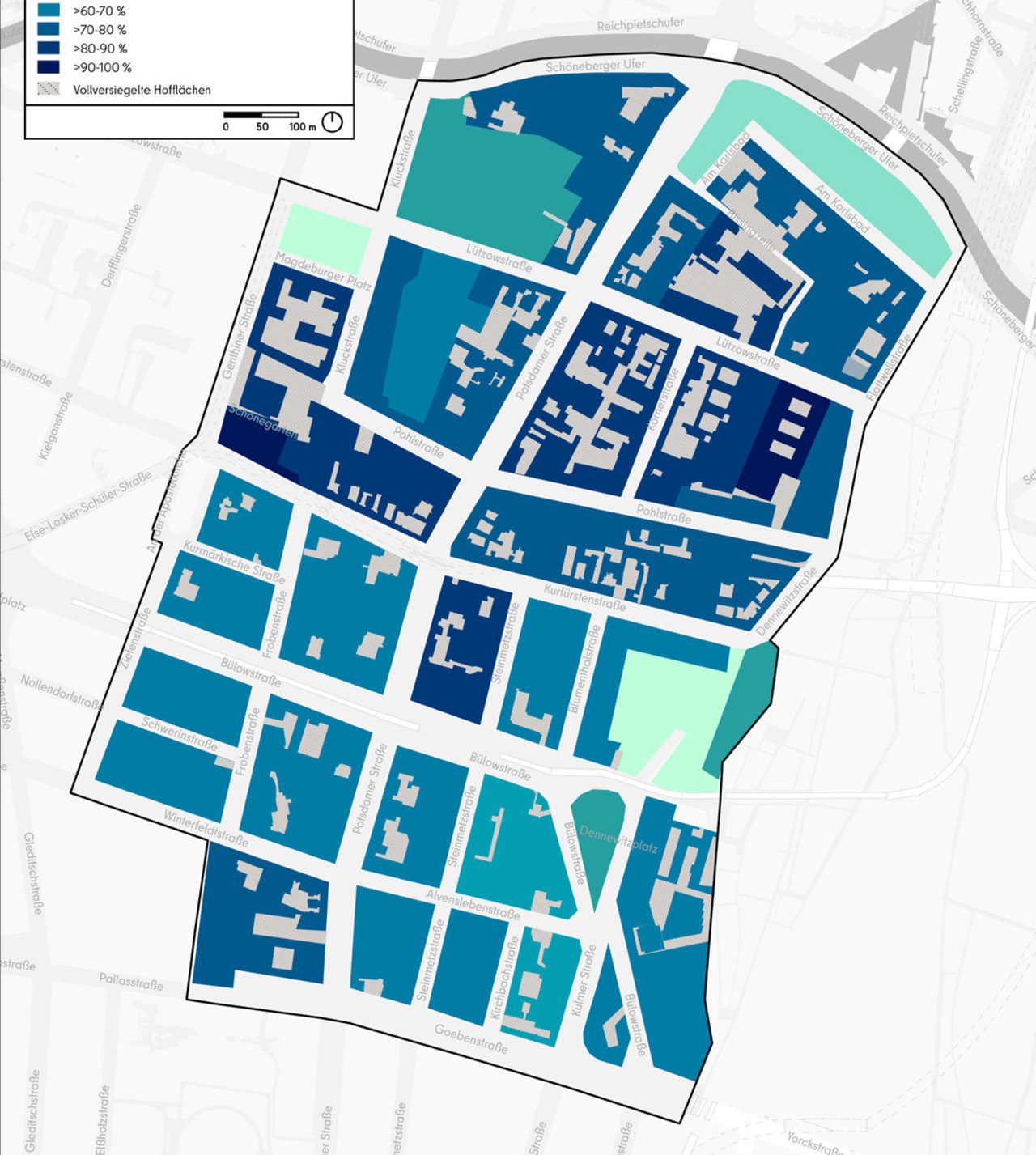
Together with Forward Planung und Forschung, Studio Animal-Aided Design developed the Integrated Urban Development Concept (ISEK) for Potsdamer Straße in Berlin. The concept provides the strategic framework for the future development of the neighbourhood spanning the districts of Mitte and Tempelhof-Schöneberg and for the allocation of urban development funding under the Lebendige Zentren (Vibrant Centres) programme. The study area is characterised by high urban density, diverse social and cultural uses, and a significant need for climate-adapted, high-quality public spaces. At the same time, existing green spaces, courtyards, streetscapes and the proximity to Gleisdreieck Park offer opportunities to strengthen ecological connectivity.
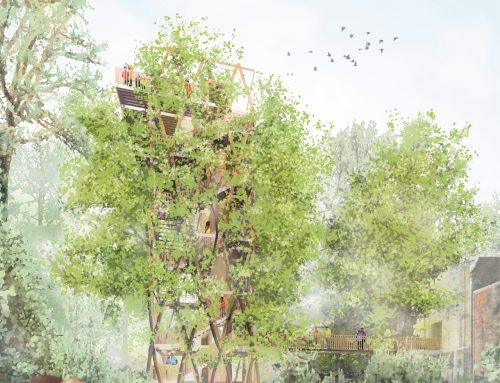
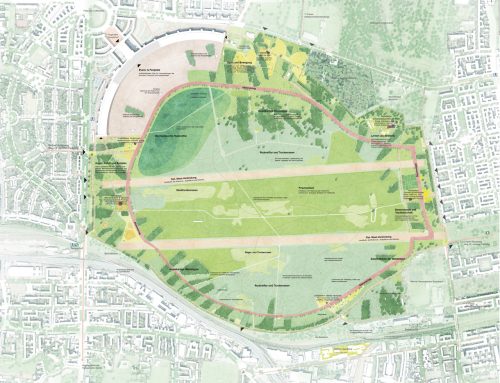
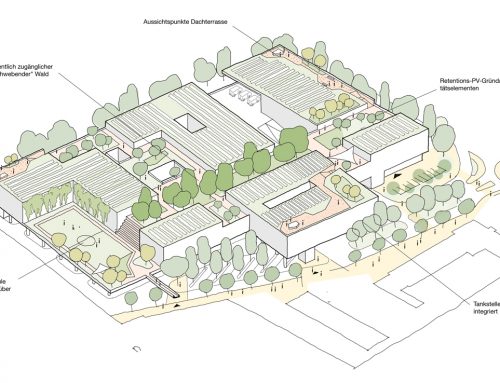
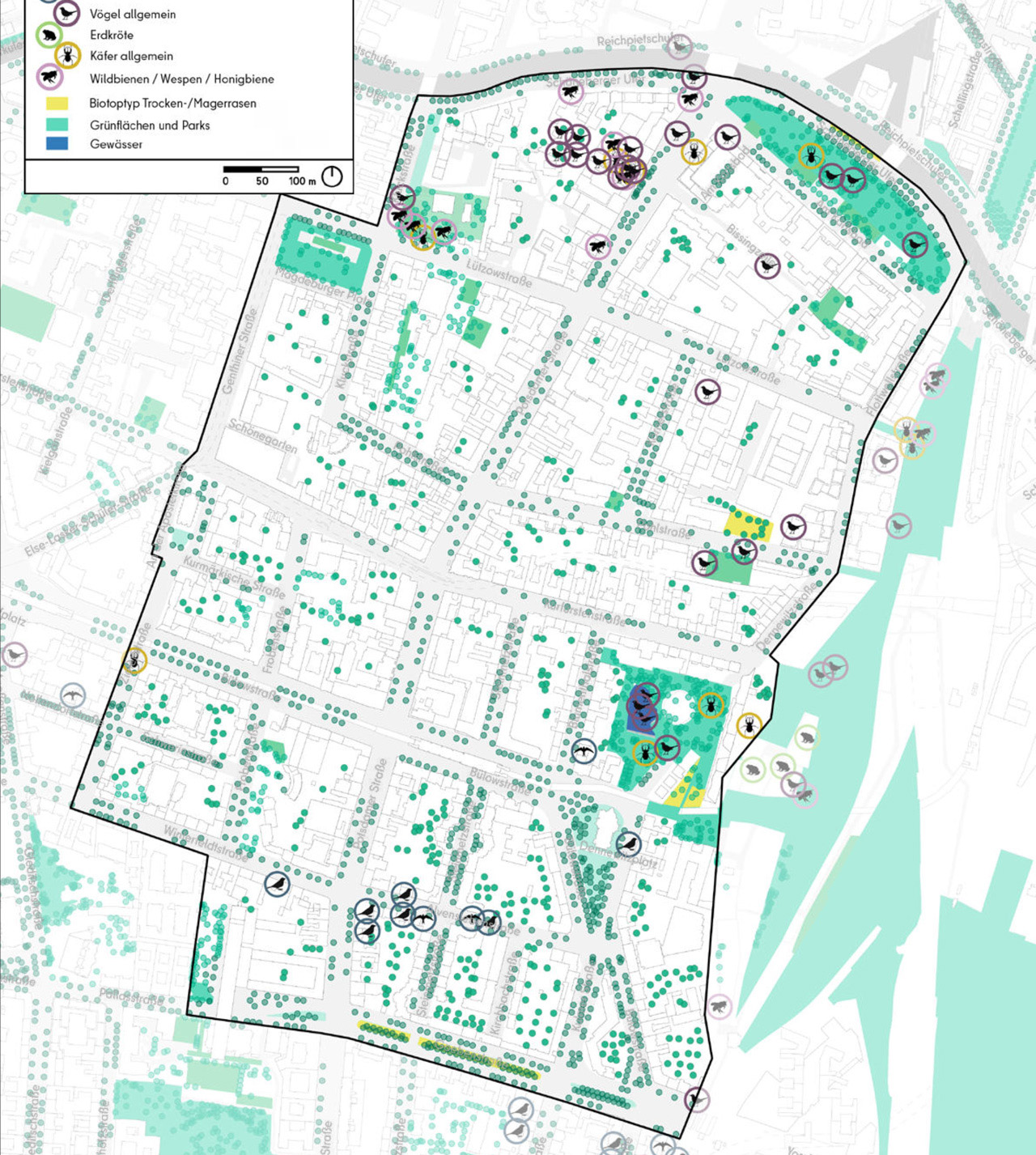
Studio Animal-Aided Design contributed the perspective of urban biodiversity to the integrated urban planning process. The focus was on analysing existing green spaces and habitat structures, identifying opportunities for ecological enhancement and developing measures to promote species diversity throughout the neighbourhood. These include connecting and ecologically enhancing green spaces, unsealing and greening streetscapes, and creating additional habitats for urban animal species. A key outcome is the integration of biodiversity enhancement into the strategic action area “Connected and Green Urban Spaces”. The ISEK envisages the development and gradual implementation of a neighbourhood-wide biodiversity concept. Small-scale interventions, such as species-rich planting, deadwood structures, nesting aids and the ecological redesign of existing green spaces, are to be combined with larger-scale climate adaptation and open space development projects.
The project demonstrates how biodiversity can be established as a strategic objective of urban development beyond individual construction projects. By combining ecological connectivity, climate adaptation, opportunities to experience nature and social participation, it lays the foundation for an approach to urban development that considers the needs of humans and other species alike.
PLACE
Berlin, Potsdamer Straße
CLIENT
Berlin District Offices of Mitte and Tempelhof-Schöneberg
PROJECT-PARTNER
Forward Planung und Forschung
Studio Animal-Aided Design
PROJECT-TEAM
Christine Jakoby, Paul Wiegand, Thomas E. Hauck (SAAD)
IMAGES
Forward & SAAD
TIME
2024-2025
LINKS